


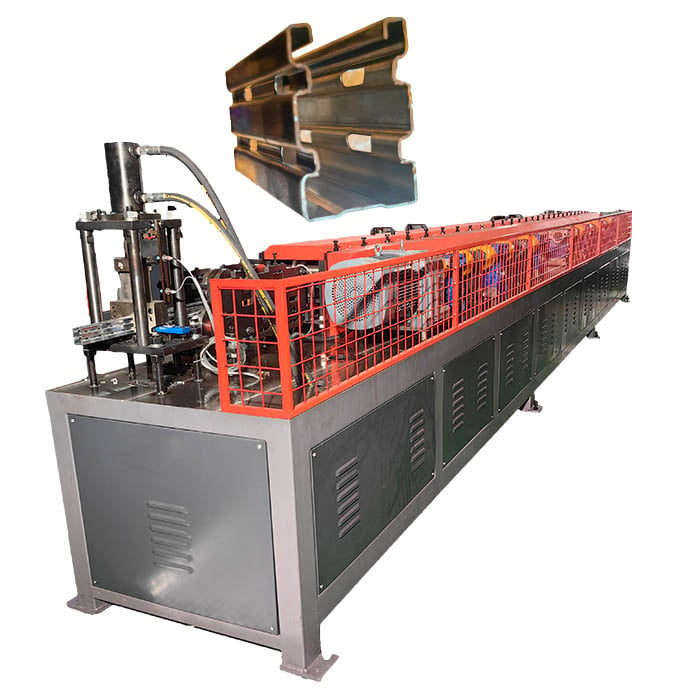
Logistical Shelving Column Roll Forming Machine

Roll forming machines make special configurations from long strips of metal, usually from coiled steel. In most applications, the required section profile of the part is specially designed so that the machine bends the metal if necessary. In addition to roller forming, these machines perform a number of metalworking tasks, including cutting materials and punching rollers. The components of the roll forming machine include roll forming parts, PLC, computer control system, hydraulic pump station system, and automatic cutting system. Roll shutter machines work in a continuous cycle in most cases. The material is fed into the machine where it continuously makes its way through the stages of each operation, ending with the completion of a final product. Manufacturing companies can manage high-quality processes as the automation of roll forming machines removes the scope for human error and improves the overall quality of production.
Logistical Shelving Column Roll Forming Machine
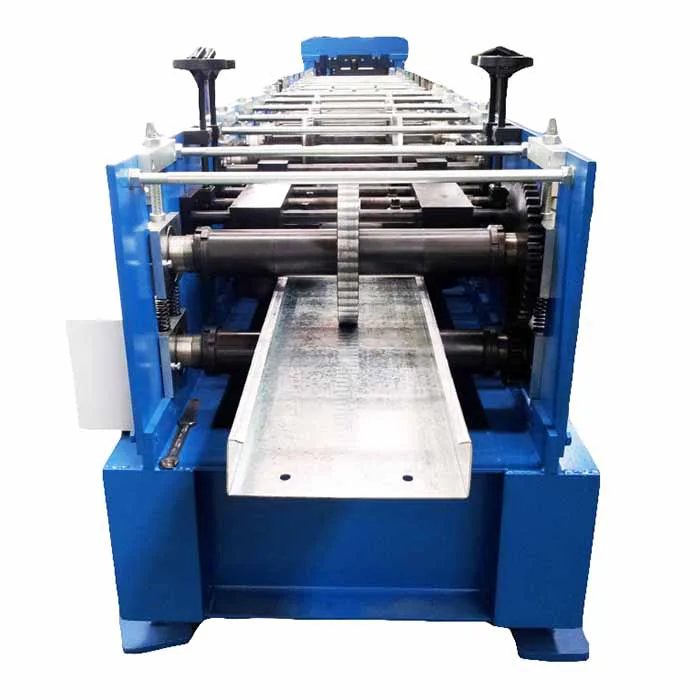
Cable Tray Roll Former
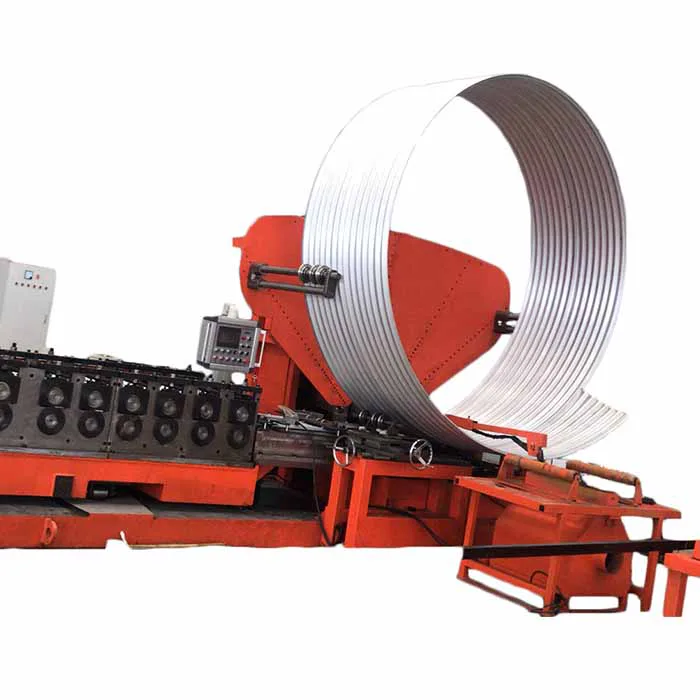
Corrugated Tube Roll Forming Machine
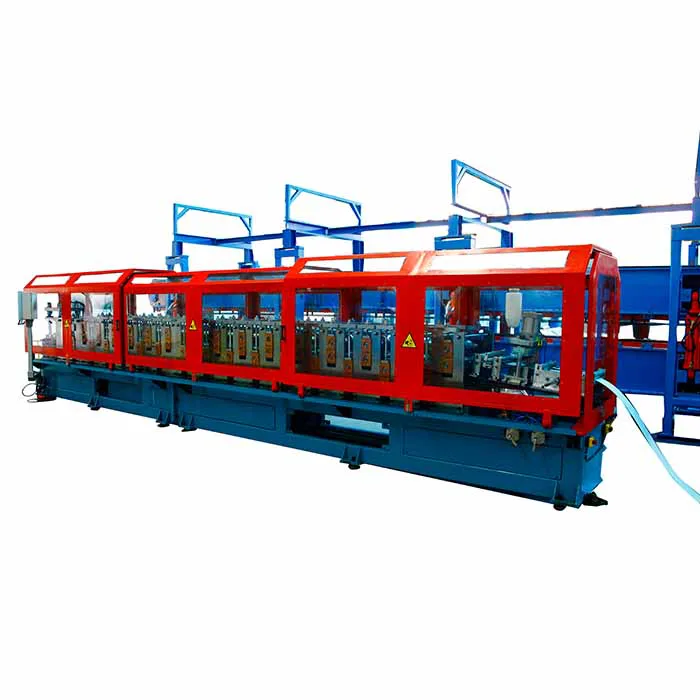
Hat Profile Roll Forming Machine
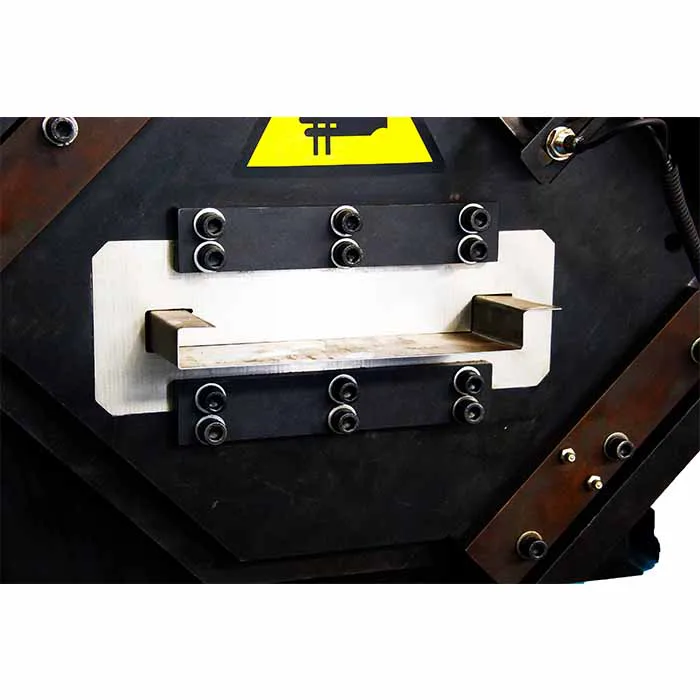
Purlin Roll Forming Machine
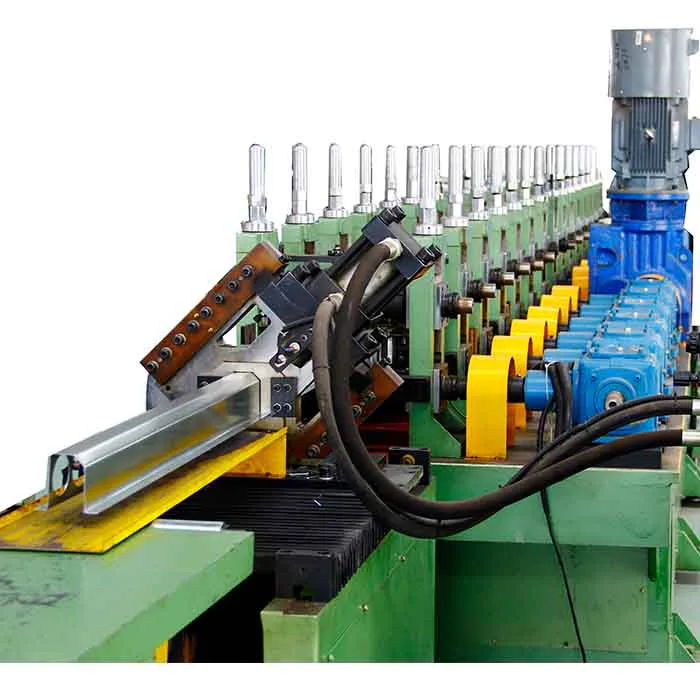
Solar Mounting Roll Forming Machine
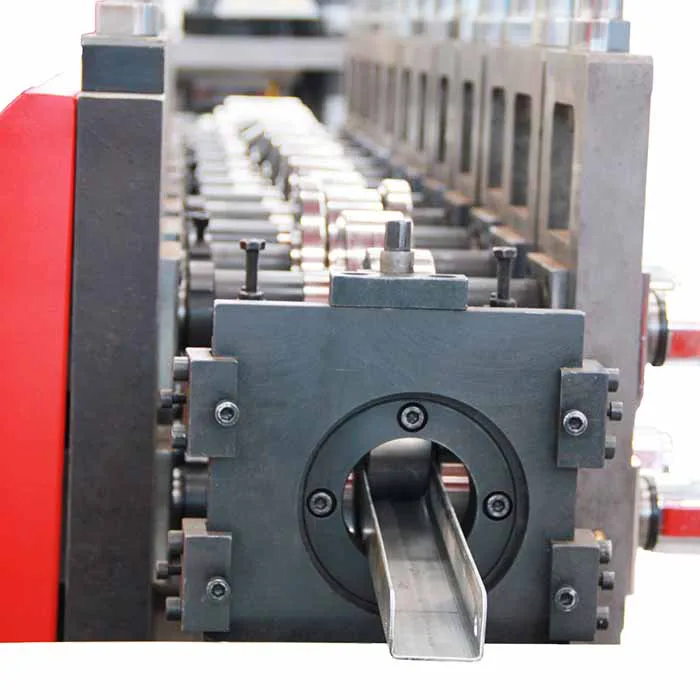
U Profile Roll Forming Machine
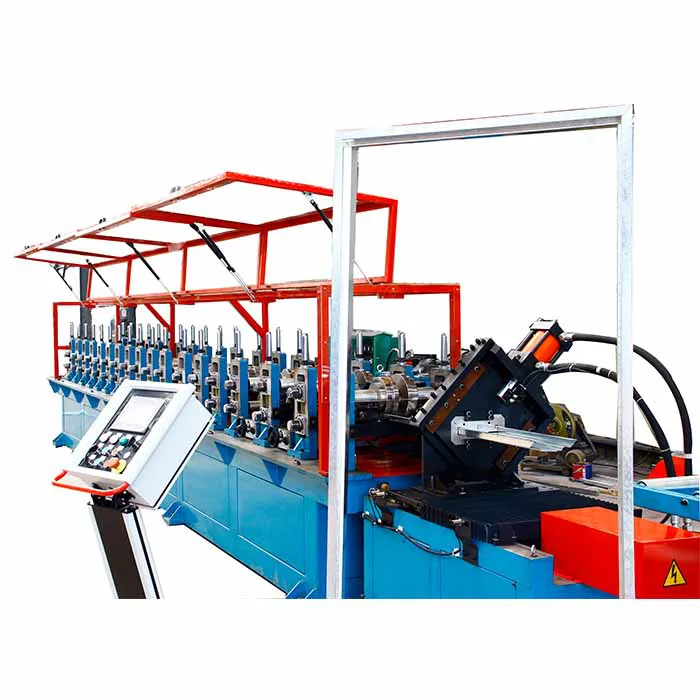
Metal Door Frame Roll Forming Machine
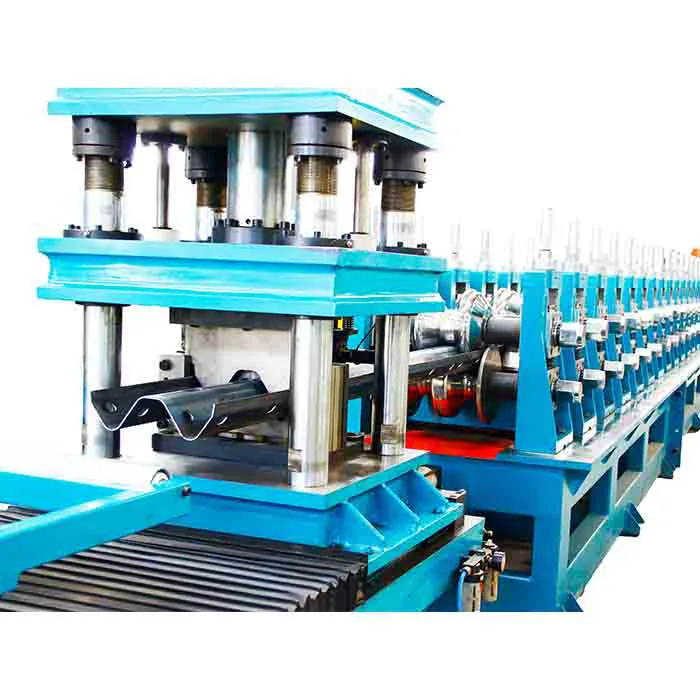
Guardrail Roll Forming Machine
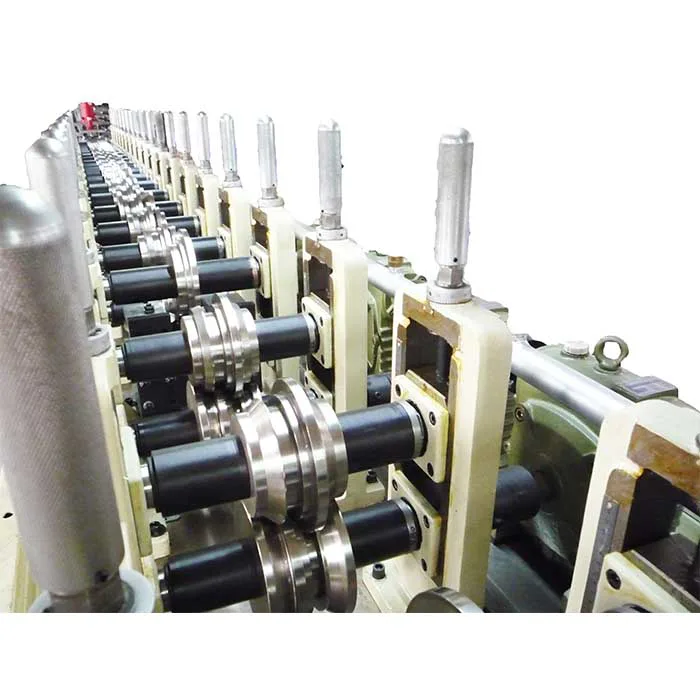
Window Frame Cold Roll Forming Machine
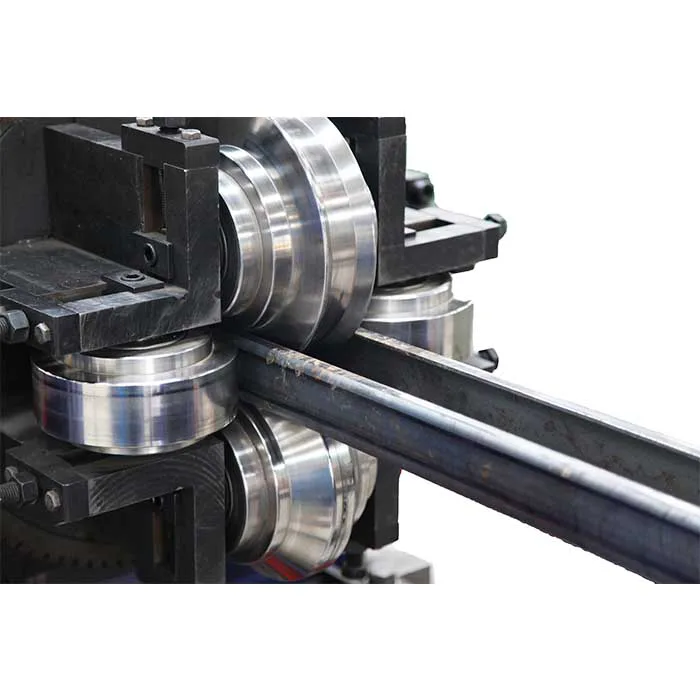
Guardrail Bracket C Roll Forming Machine
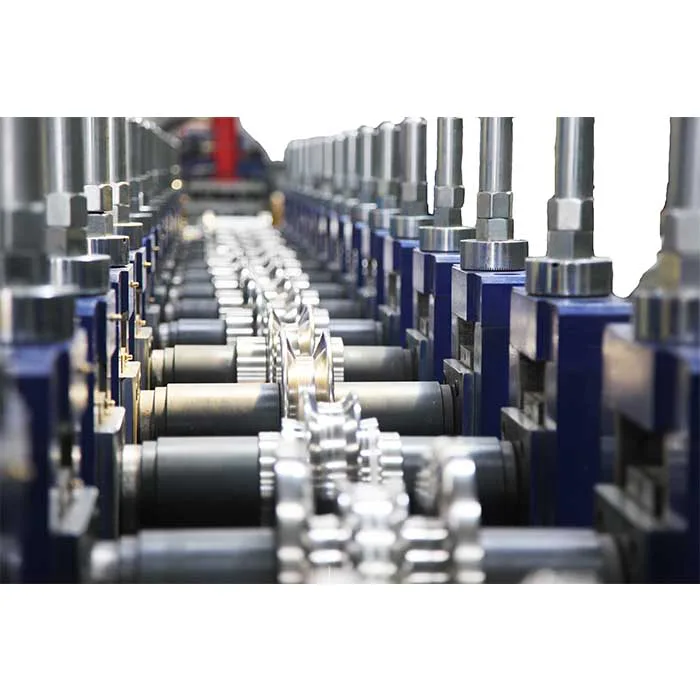
Guardrail Bracket U Roll Forming Machine
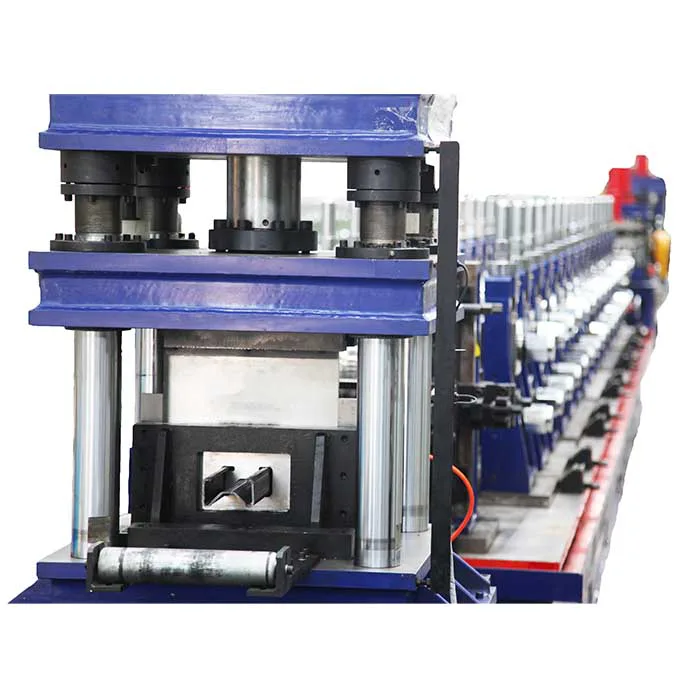
Guardrail Bracket M Roll Forming Machine
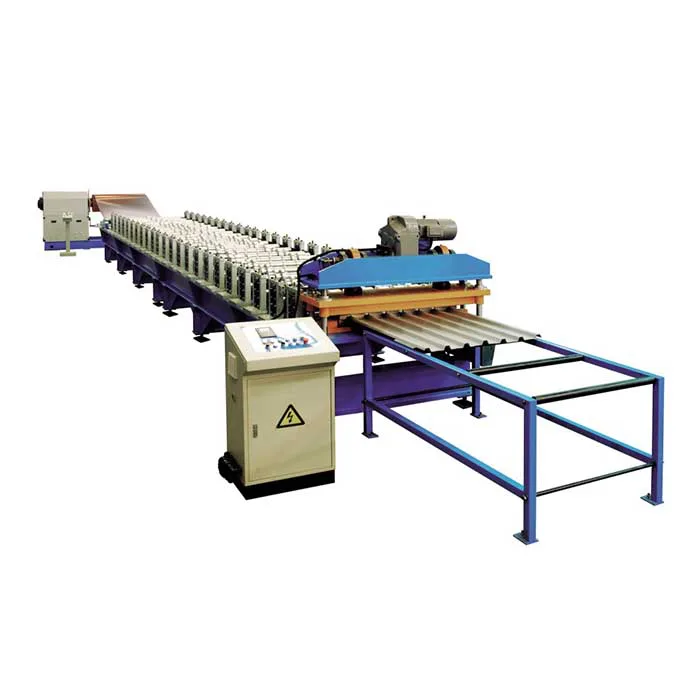
Roof and Wall Panel Roll Forming Machine
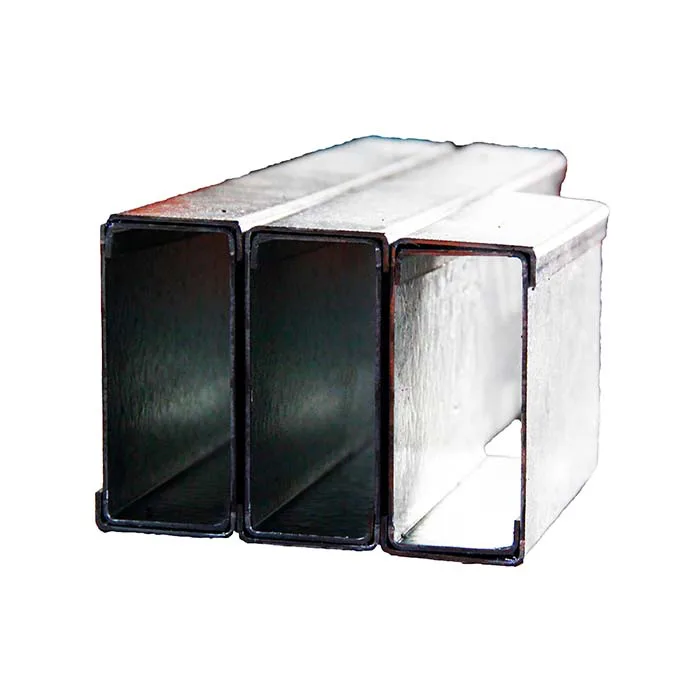
Closed Frame Roll Forming Machine
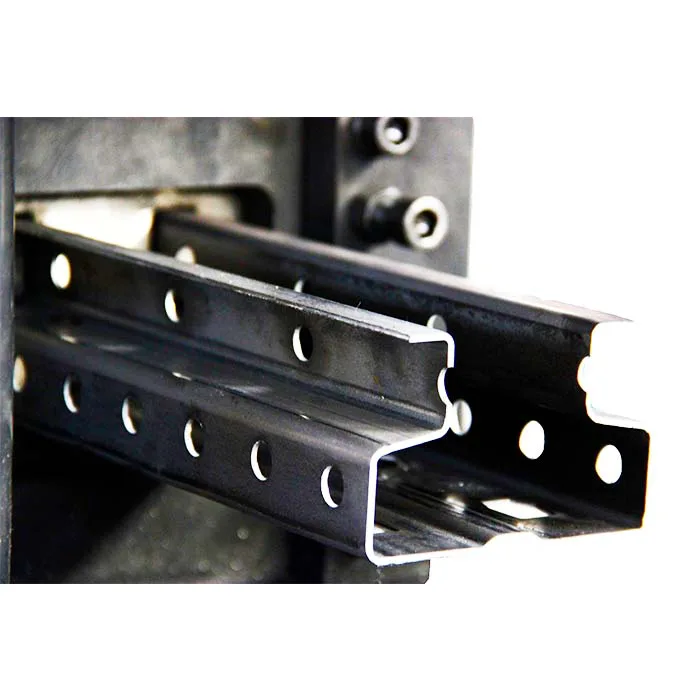
Shelf Rack Roll Forming Machine
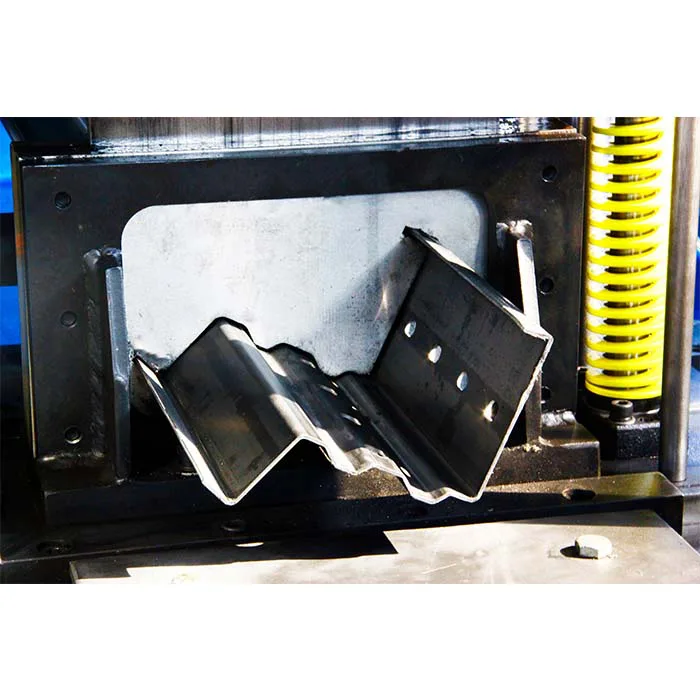
Storage Rack Roll Forming Machine
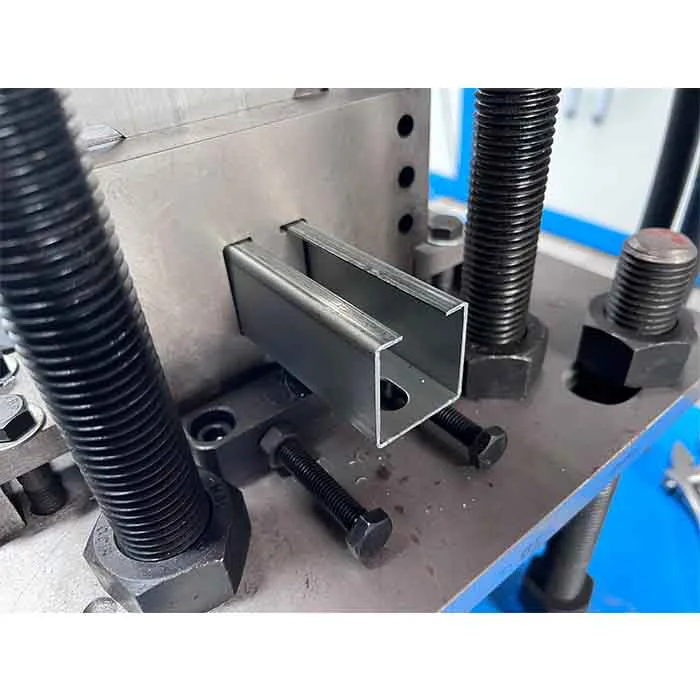
C Channel Roll Forming Machine
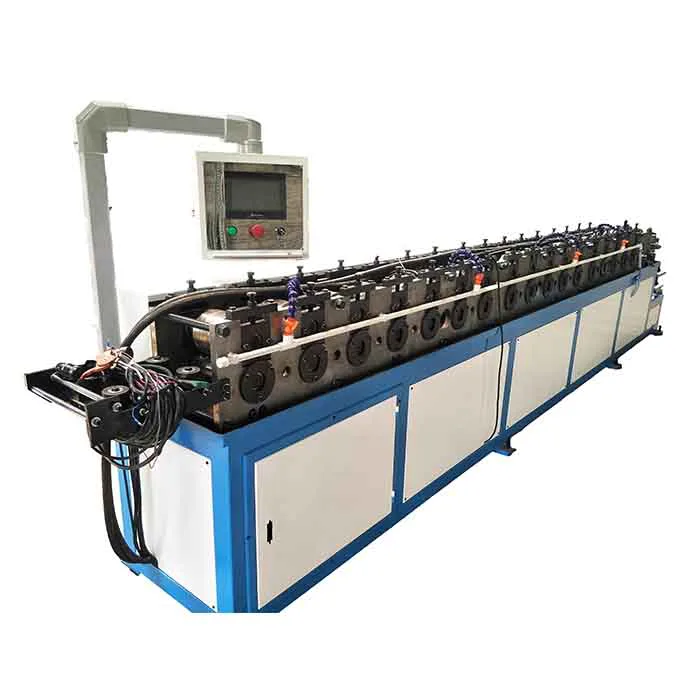
Seismic Bracing Cable Tray Roll Forming Machine
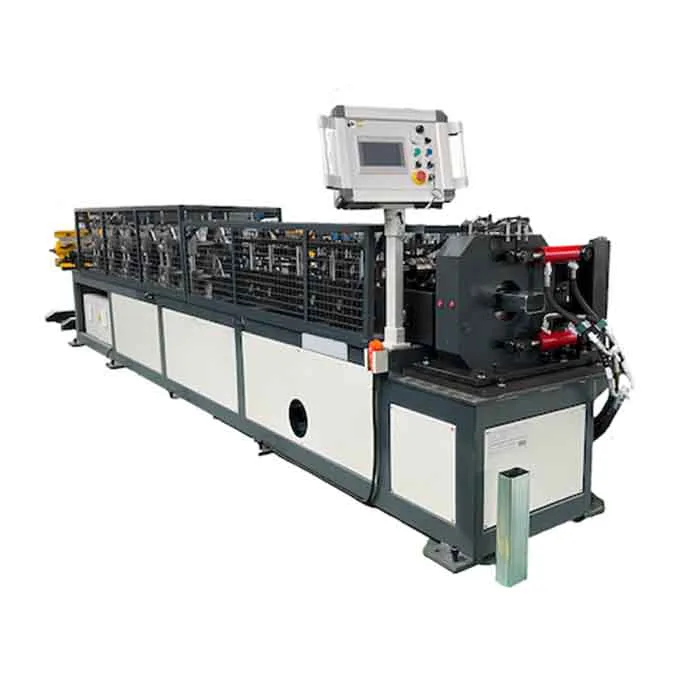
Water Gutter Roll Forming Machine
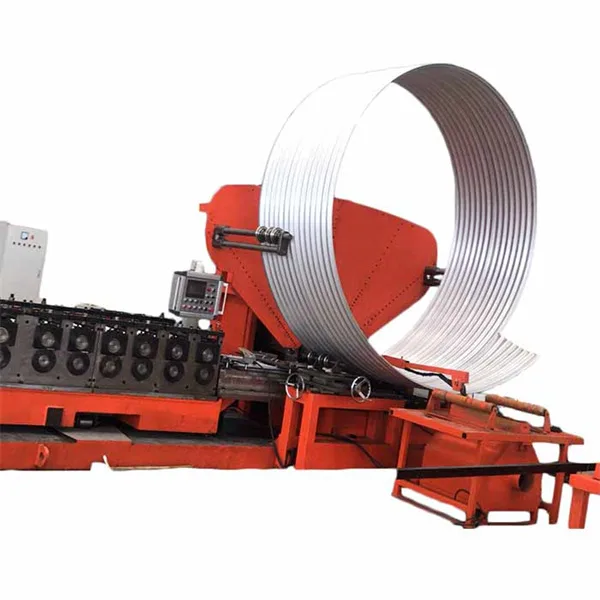
The cold roll forming process works by passing the sheet through a series of rollers, each of which adds shape to the metal as it passes. The rollers work together to form the desired cross-section. Since the process is consistent and easy to repeat, roller forming offers a great way to produce even very high volumes of metal components. Metmac offers a wide range of roll forming machine for sale, which means we can quickly handle all your profiling needs, no matter what they may be. We can create standard shapes and custom work, both produced at the highest level of quality thanks to their unique roll forming machine design.
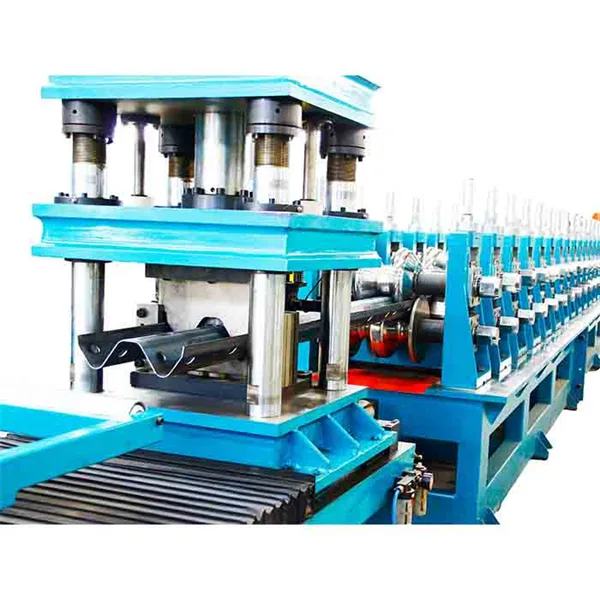
Roll forming machine has many advantages over braking and extrusion. Compared to braking forming, roll profiling can produce more parts with greater uniformity and consistency over the entire length of the part. Roll forming also eliminates multi-step operations, cutting up scrap and slitting burrs. The advantages of profiling compared to extrusion methods are as follows: practically all metals can be formed by rolling using sheet metal rolling shutter machines, not just aluminum. In addition, roller forming can eliminate secondary operations – multi-step operations such as notching, punching, and post-painting – by combining them in a rolling shutter machine.
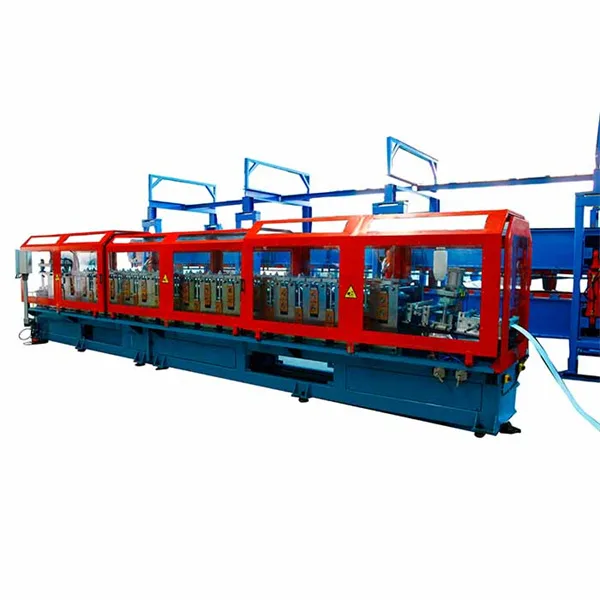
Roll forming is a metal forming process in which the metal is shaped by a series of rollers. Profiling produces some of the most widely used metal products. Roll forming does not involve heat and the rollers do not affect the surface properties of metals. These features make it an ideal choice for shaping polished metals, coated metals, and other metals whose beauty and aesthetic properties need to be maintained. Roll-formed parts are popular because they are precise with tight tolerances, and can be made to conform to a variety of shapes, angles, and curves. Roll forming machines are widely used in the construction industry, shipbuilding industry, steel metal processing industry, and power supply industry.